Professional Tooth Whitening
About professional teeth whitening, from the science behind the treatment to what you can expect during your appointment, from safety considerations to long-term maintenance strategies. Our goal is to provide you with the knowledge and understanding necessary to make an informed decision about your dental health and aesthetic goals. We believe that an educated patient is an empowered patient, and we're committed to transparency, honesty, and clinical excellence in everything we do.
In an era of convenience and instant gratification, it's tempting to opt for the quickest or cheapest solution. Pharmacy shelves are lined with whitening toothpastes, strips, trays, and gels, all promising Hollywood-worthy results. Social media is filled with DIY whitening hacks involving everything from activated charcoal to baking soda. While some of these products may offer marginal improvements, they fundamentally cannot compare to professional treatments in terms of effectiveness, safety, or longevity of results.
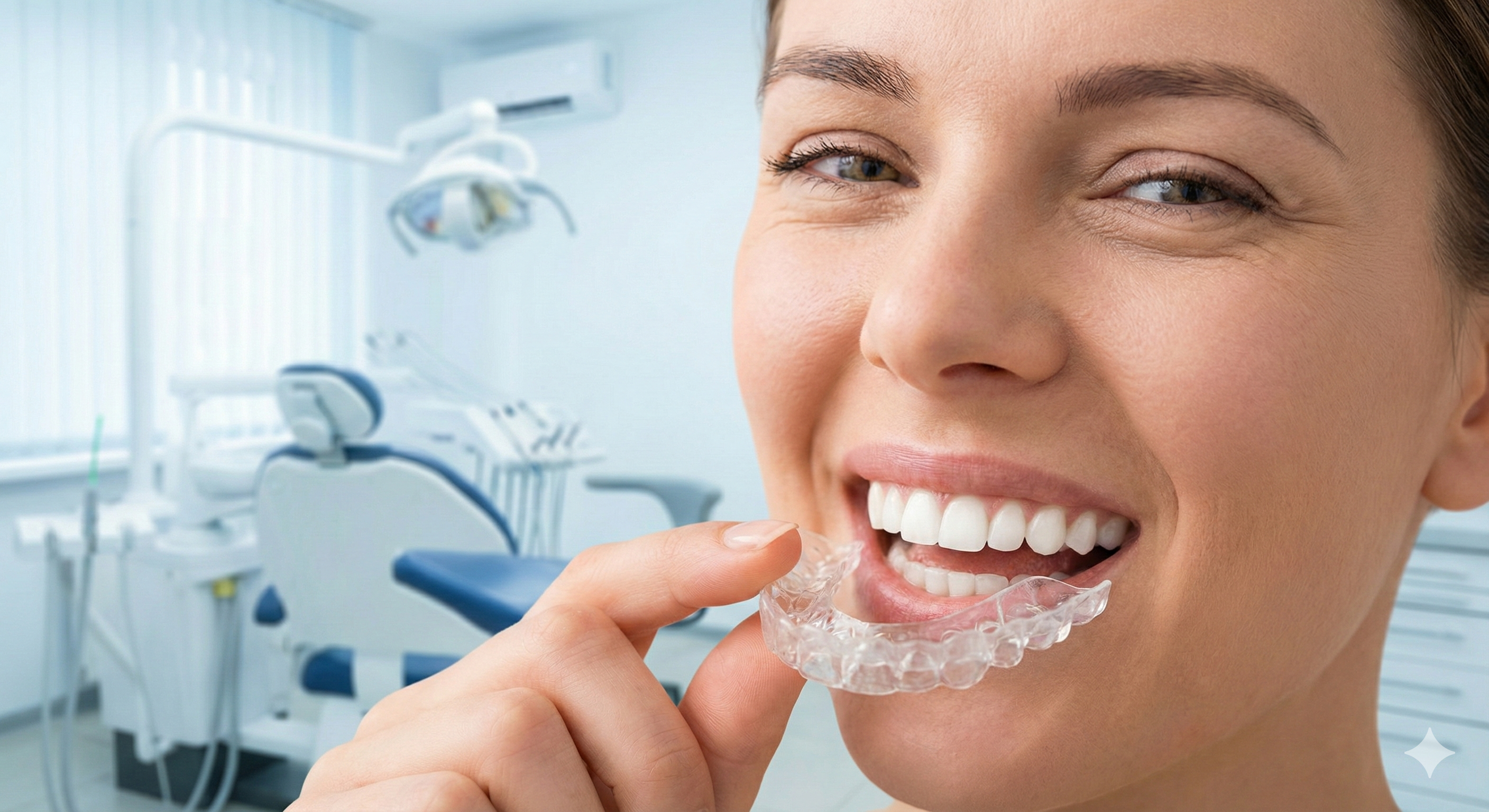
Professional teeth whitening is distinguished by several critical factors that set it apart from home remedies and over-the-counter alternatives. First and foremost is the concentration and quality of whitening agents used. Clinical-grade hydrogen peroxide or carbamide peroxide formulations are significantly more potent than anything available to consumers directly, yet they are applied in a controlled environment by trained professionals who understand how to maximize effectiveness while minimizing risk.
Secondly, professional treatment is customized to your individual needs. Before any whitening procedure begins, our specialists conduct a thorough assessment of your teeth, gums, and overall oral health. We identify any underlying issues, such as cavities, gum disease, or enamel erosion, that need to be addressed before whitening. We also evaluate the type and severity of discoloration you're experiencing, whether it's extrinsic staining on the tooth surface or intrinsic discoloration from within the tooth structure, as this determines the most appropriate treatment approach.
The use of advanced laser technology further amplifies results. While traditional Whitening relies solely on chemical reactions between the whitening gel and tooth enamel, laser-assisted Whitening accelerates this process exponentially. The laser light activates the whitening agent, enabling deeper penetration and more thorough breakdown of stain molecules. This means more dramatic results in less time, with greater consistency and predictability.
Safety is another paramount consideration. Professional Whitening is performed with protective measures in place to safeguard your gums, lips, and oral tissues from potential irritation. Our specialists use precisely fitted barriers and shields, apply the whitening gel with meticulous care, and monitor you throughout the procedure to ensure your comfort. In contrast, unsupervised use of over-the-counter products can lead to chemical burns, sensitivity, and uneven results if instructions aren't followed perfectly, which is often the case.
If you understand the science of teeth Whitening, you'll see how the process is not mysterious and what makes professional treatment so much better than anything you can do at home. Essential to teeth Whitening is a chemical reaction in which chromagen molecules that cause stains and discolouration on teeth are broken down. This process is called oxidation.
Tooth enamel, though it appears solid, is actually porous at a microscopic level. These tiny holes will trap pigmented molecules from the foods consumed or even tobacco and other sources of such materials. In time, these molecules build up, and the result is permanent discoloration with a characteristic yellow or brown shade that most people encounter. The object of Whitening is to get into these minute pores and bust up the stain molecules so they're less visible.
One of two active ingredients is generally used in professional teeth whitening: hydrogen peroxide or carbamide peroxide. Both are strong agents of oxidation, but in different ways.
Hydrogen peroxide is the stronger and more direct of the two options. When applied to your teeth, it will immediately begin to disintegrate into water and oxygen. The oxygen ions enter enamel and dentin, causing chromogen compounds that produce stains on your pearly whites to undergo oxidation. This changes the stain molecules on a physical level, either making them colorless or much paler. Companies now make hydrogen peroxide in strengths of 40% to 15%, well above the 3–10% typically seen for household use.
The breakdown of carbamide peroxide in water generates hydrogen peroxide, an incentive that pans out over all sorts of applications—for example, when an operation must be conducted over a longer period. For take-home professional sets, carbamide peroxide is often preferred over hydrogen peroxide; hydrogen peroxide usually goes into in-office treatments designed to effect an immediate and startling transformation of appearance.
It is also worth noting that there are now peroxide-free whitening systems, which use other agents like phthalimidoperoxycaproic acid (PAP) and proprietary formulations. These may be helpful for people who are incredibly sensitive to the traditional peroxide whiteners. However, it is not clear whether they can achieve as high a level of Whitening in the same period of time.
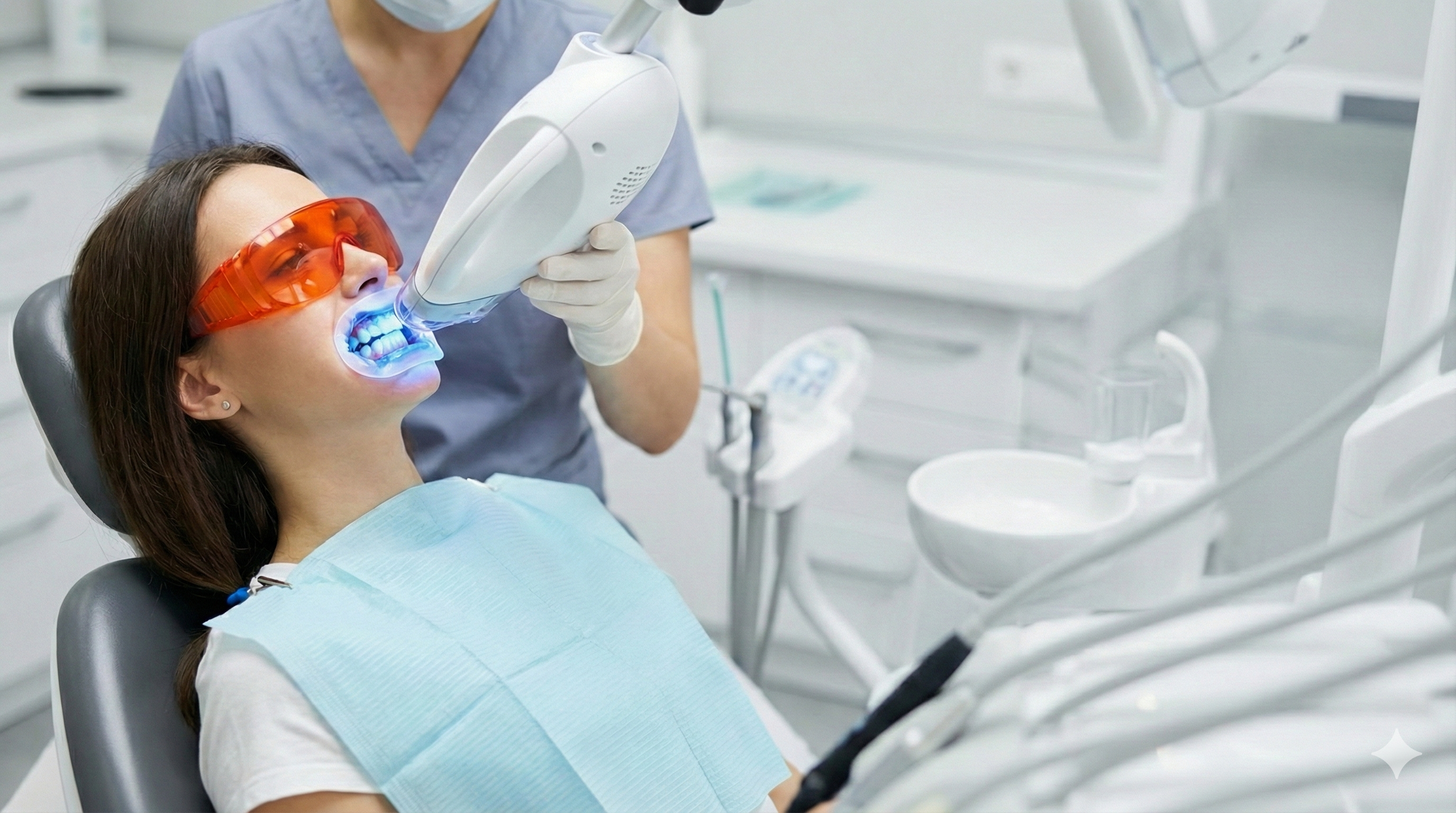
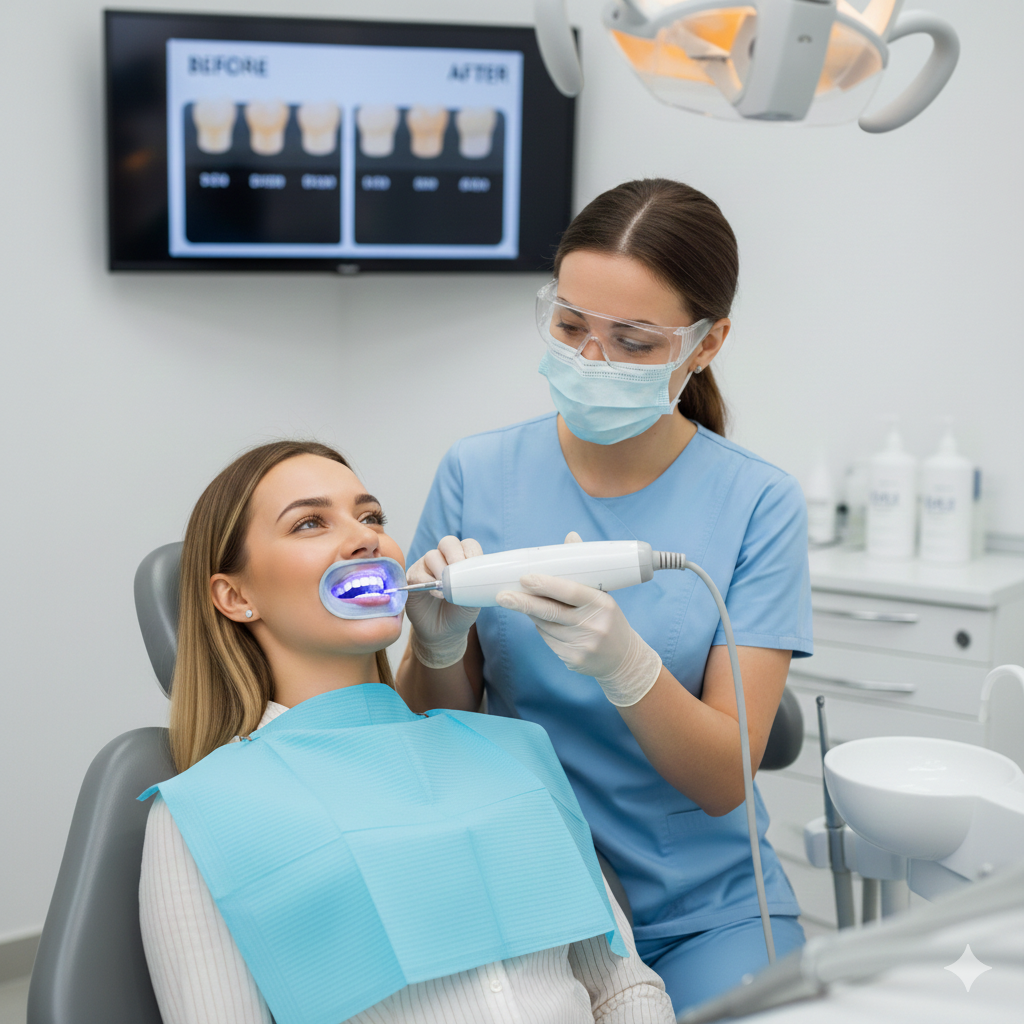
Laser-assisted Whitening represents a significant advancement in cosmetic dentistry. The laser light, typically a blue LED or plasma arc light in the wavelength range that activates whitening agents, serves as a catalyst to accelerate the chemical reaction.
When the laser light is directed at teeth coated with whitening gel, it generates heat that energizes the peroxide molecules, causing them to break down more rapidly and penetrate deeper into the tooth structure. This acceleration means that results achievable in several hours or even days with traditional methods can be accomplished in a single 60-minute session.
The precision of laser technology also allows for more controlled and uniform Whitening. The light can be focused on specific areas, ensuring consistent results across all visible teeth. This is particularly important for addressing uneven discoloration or stubborn stains that resist conventional treatments.
Importantly, the type of light used is carefully selected to maximize effectiveness while minimizing heat and potential discomfort. Modern systems are designed with patient comfort in mind, incorporating cooling mechanisms and protective filters to ensure the treatment is as pleasant as it is effective.
Professional Whitening doesn't just address surface stains it penetrates into the dentin layer beneath the enamel. Dentin is naturally yellowish in color, and as enamel thins with age or wear, this underlying color becomes more apparent. By whitening both enamel and dentin, professional treatments achieve comprehensive, natural-looking results that transform the overall appearance of your smile.
The depth of penetration also contributes to the longevity of results. Because the treatment addresses staining at multiple levels of tooth structure, the effects last considerably longer than superficial whitening methods. With proper care and maintenance, professional whitening results can be sustained for 18 months to two years or even longer.
Teeth Whitening is an incredibly versatile treatment that can benefit a wide range of individuals, but it's not universally appropriate for everyone. Understanding whether you're a suitable candidate is essential for achieving safe, effective, and satisfying results.
The best candidates for professional teeth Whitening are individuals in good overall oral health who have realistic expectations about the treatment outcomes. If you have generally healthy teeth and gums, with discoloration caused by external factors such as dietary habits, tobacco use, or natural aging, you're likely an excellent candidate.
Teeth Whitening is particularly effective for extrinsic stains those on the surface of the enamel caused by coffee, tea, red wine, berries, curry, and similar pigmented foods and drinks. It's also effective for many types of intrinsic discoloration, which affects the inner structure of the tooth, particularly when caused by aging or certain medications.
Most adults with permanent teeth that have fully matured can safely undergo Whitening. There's no upper age limit; we've successfully treated patients in their 70s and 80s who wanted to rejuvenate their smiles for milestone celebrations, family events, or simply to feel more confident.
Teeth that have been seriously compromised by active cavities, untreated gum disease, exposed tooth roots, or significant enamel erosion. All of these issues must be addressed before even starting to whiten teeth; otherwise, you are simply wasting time and money. A dental cement agent is a possible treatment for compromised teeth, but the results may not be as good if there are structural problems in place.
When pregnant and breastfeeding, it implies that elective procedures will be postponed, whether these include successful teeth whitening or not. There is cause for worry among professionals that unknown damage could result from even so slight a tooth-whitening agent during pregnancy - I mean, where could it possibly end up?
Adolescents under 18 generally shouldn't have successful teeth whitening because their teeth are still developing. A teenager's teeth are more sensitive, so those who are younger could experience immediate pain when sugar or an icy-cold drink is introduced into the mouth. The root of this discomfort is not simply something you feel but also exists in a way that lasts for quite some time afterwards.
Individuals with dental restorations (crowns, veneers, bridges, and bonding) on their front teeth should bear in mind that these materials won't respond to a whitening agent. Only natural tooth enamel can be whitened - and sometimes it's possible if you have one visible restoration in your front teeth that needs replacing. We raise these points during consultation, so you fully understand them.
Individuals with extremely sensitive teeth or who've had severe reactions to whitening agents in the past can benefit from alternative treatments or modified protocols. We offer desensitizing treatments and gentler formulations for patients with high sensitivity.
It's important to approach whitening with realistic expectations. While professional treatment delivers impressive results, the degree of Whitening varies based on several factors, including the baseline color of your teeth, the type and severity of staining, and individual biological factors such as enamel thickness and natural tooth color.
Teeth do not become "unnaturally" white or glow in the dark. The goal is a bright, natural-looking smile that enhances your overall appearance without looking artificial. Most patients achieve several shades of improvement on the standard dental shade guide, with results ranging from subtle enhancement to dramatic transformation, depending on starting conditions.
Not all tooth discoloration is created equal. Understanding the different types and causes of staining is crucial for determining the most effective treatment approach and setting appropriate expectations.
Extrinsic stains form on the outside of the hard tooth surface enamel and are produced mostly from factors outside (external causes). The most common method to deal with this kind of staining is whitening treatments.
The greatest offenders are from food items: Coffee, tea, red wine, and cola. These are all high in tannin, which are most likely to contribute to the color change of pigments. Berries, soya sauce, balsamic vinegar, and tomato-based sauces also contribute to surface off-coloring over time. The frequency and duration of exposure make a big difference: sipping coffee throughout the day will darken your teeth more than drinking it fast. Prolonged contact allows the stain to go deeper in.
Tobacco acts extrinsically. Tobacco use leaves very intensive extrinsic staining behind, whether you smoke or chew. Nicotine and tar create resistant yellow to brown stains that penetrate tooth enamel, but can be very hard to whiten up with professional treatment (though they will still come out somewhat). In fact, this combination of ingredients is almost impossible to stamp out.
Poor oral hygiene lets plaque and tartar accumulate, which collects stains from what you eat and drink. Even when you are good at keeping clean, poor brushing technique or infrequent dental cleanings let stains build up and stick in the enamel over time.
Intrinsic discoloration B influences the inner structure of the tooth, the dentin layer beneath the enamel. Correcting this type of staining may be difficult, but it often responds successfully to professional Whitening.
Over time, intrinsic discoloration is just the unpreventable result of getting older. The enamel naturally becomes thinner through years of wear and tear, exposing yellowed dentin underneath more prominently. The dentin itself grows darker with age, too, which only worsens matters. Thus, teeth often look ever more yellow or gray in middle age and beyond, regardless of how well kept they are.
Certain medications, most notably childhood tetracycline antibiotics, are another source of intrinsic discoloration. In a word, damage during the formation of the teeth can cause grubby, crossing from yellow to grey to brown streaked banded discoloration. These stains are especially tenacious. They are a part of the tooth structure itself. Though professional Whitening can improve tetracycline-stained teeth, it usually requires multiple whitening treatments and may not achieve the same level of Whitening as other types of chronic discoloration.
Excessive fluoride exposure while the teeth are developing, a condition known as fluorosis, may result in white spots, stripes, and sometimes brown-coloured enamel. In some cases, a mild form overlaying with careful Whitening can help to even out the appearance, although severe forms of fluorosis require different cosmetic treatments.
Damage to teeth, especially in childhood, can disrupt their blood supply and produce discoloration. Teeth that have had root canal therapy may darken over time due to the breakdown of internal tissues. Tooth whitening treatments usually prove ineffective in these situations. They require internal bleaching or other specialized treatment methods instead.
However, in reality, most people experience a mix of extrinsic and intrinsic discoloration. Years of drinking coffee, combined with natural aging, result in layers of stains that require complete care for the patient to be happy. This is, in fact, where professional Whitening really has an edge, as it can deal with both surface stain and deeper discoloration at once.
Professional teeth whitening is not a one-size-fits-all proposition. We offer several treatment modalities to accommodate different needs, preferences, and lifestyles. Understanding your options helps you choose the approach that best aligns with your goals and circumstances.
In-office laser whitening is our flagship treatment, offering the most dramatic and immediate results. This is the option of choice for individuals who want significant Whitening in a single appointment, whether for an upcoming event or simply because they prefer the convenience and supervision of professional administration.
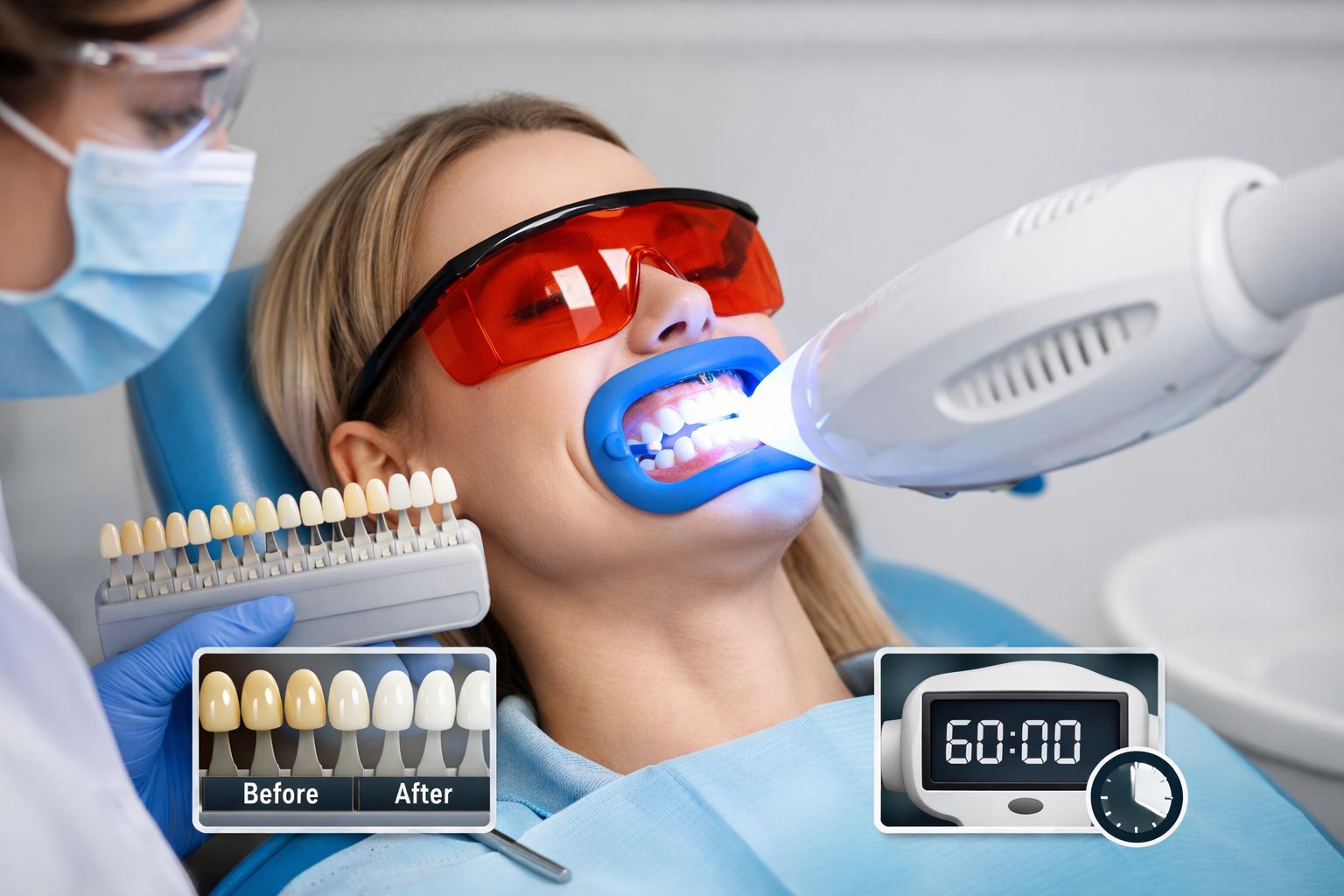
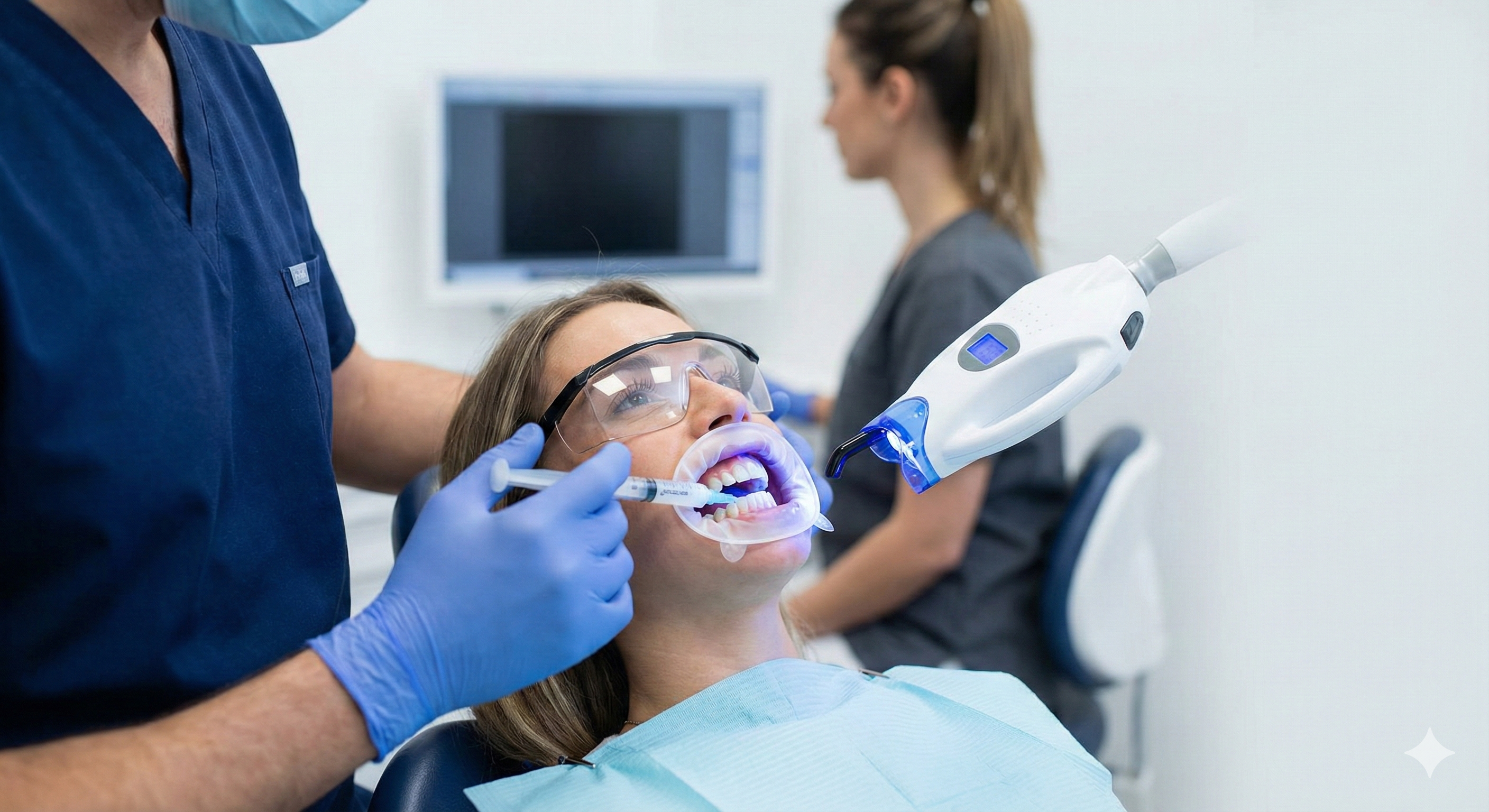
The treatment takes approximately 60 minutes from start to finish. After a brief consultation and shade assessment, we begin by protecting your gums, lips, and soft tissues with a rubber shield or protective gel. This barrier is crucial for preventing irritation from the whitening agent.
The whitening gel, typically a high-concentration hydrogen peroxide formulation, is then carefully applied to the front surfaces of your teeth. The laser light is positioned and activated, bathing your teeth in concentrated light energy that accelerates the whitening process. You'll remain comfortably seated throughout, with most patients reporting little to no discomfort.
The gel application and laser activation cycle is usually repeated two or three times, with each cycle lasting 15 to 20 minutes. Between cycles, we remove the old gel, assess your progress, and apply fresh gel to maximize results. By the end of the appointment, most patients achieve a Whitening of 4 to 8 shades on the standard dental color scale, a transformation that's immediately visible.
For those who prefer the comfort and convenience of their own home, we offer mobile whitening services. Our team brings professional-grade equipment and expertise right to you. You get the same high-quality treatment as in our clinic, but in a place that suits your schedule and needs.
This is especially convenient for those with heavy work schedules and young families, people lacking in mobility, or people just wanting their home to be a place that offers time away without any pressure. Mobile appointments mean you can fix a time that suits you. And we do all the setup and clean up, too.
The treatment protocol is identical to in-office procedures, providing you with the same excellent results. The specialists bring everything needed throughout the process: protective gear, bleaching gels, lasers, and shade guides. From start to finish, the entire treatment is carried out right in your own home, following exactly the same rigorous safety and hygiene standards observed in a clinic.
Your 60-minute appointment follows a carefully structured protocol designed to ensure safety, comfort, and optimal results, whether you choose in-office or mobile treatment.
In our office, or at the start of a mobile appointment, you will be warmly greeted by our team. We start with a brief but thorough consultation where we discuss your goals, look at your medical and dental history, and answer any questions or concerns. This is your opportunity to state exactly what you hope to achieve and for us to manage expectations realistically.
Secondly, a shade assessment using a professional shade guide is undertaken. We capture on film your current tooth colour and take both before-and-after comparison photographs. Not only does this step give satisfaction later when you see the transformation in yourself, but it also allows us to monitor the progress of treatment.
Before applying any whitening gel, we do a brief oral examination to make sure that there are no contraindications such as untreated cavities, severe gum recession, and the like that would make Whitening inadvisable. If any concerns arise, we discuss them and may recommend that they be taken care of before proceeding.
Your lips, gums, and oral tissues are then carefully protected with retractors, barriers, and protective gel. This preparation is meticulous because protecting your soft tissues is foremost in ensuring a comfortable experience and avoiding chemical irritation.
The first application of whitening gel is applied evenly across the front surfaces of your teeth — usually the upper and lower front 6 to 10 teeth, which are visible when you smile. The laser is positioned and fired up. At this point, you can relax, shut your eyes, or listen to music if you'd like. Many patients perceive it as completely painless, with at most a slight warming sensation.
After the first cycle, the gel is removed, your progress assessed, and a fresh gel applied for another round. This process is then repeated as necessary--generally three times in all--in order to achieve maximum Whitening within safe parameters. Throughout, our experts keep a close eye on you, looking for any sensitivity and ensuring your comfort.
At the end of the treatment, all gel and protective barriers are removed from the mouth and rinsed thoroughly. We take another shade reading and photographs to document your results. Often, the contrast between your original and final shades is very dramatic; this is the moment most patients give us a big smile or even a laugh.
Finally, we provide detailed aftercare instructions, discuss what to expect in the hours and days following treatment, and answer any remaining questions. You leave with a noticeably brighter smile and the knowledge you need to maintain your results for months or even years to come.
Managing hope is fundamental to any cosmetic dentistry. While professional teeth whitening can provide gorgeous and often transformative effects, you must appreciate what is realistically likely over the long term--and factors affecting these outcomes.
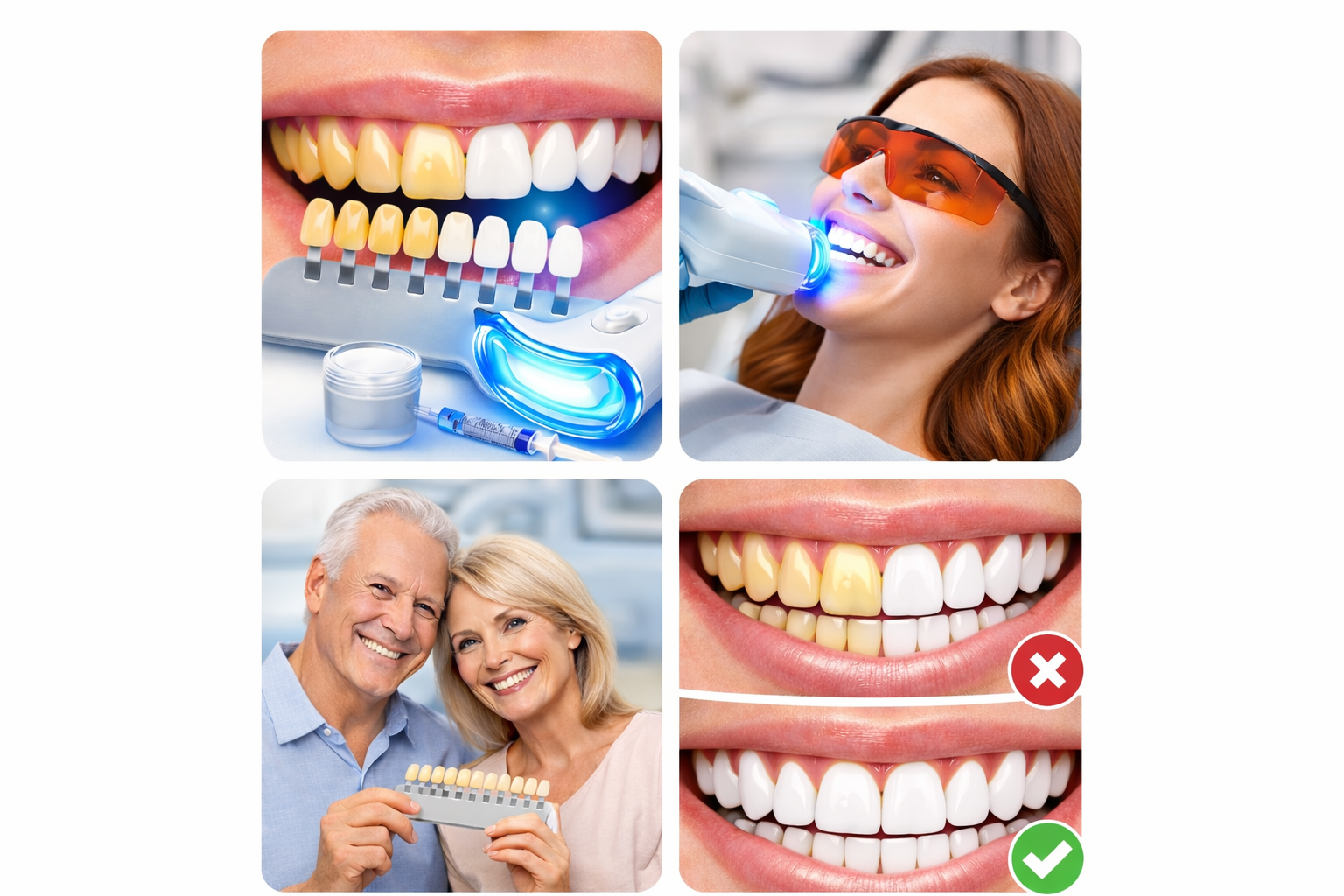
Most patients are positioned to reach a standard dental shade guide (4-8 shades) lighter after in-office laser treatment. This is the equivalent of a noticeable, often dramatic change a person will see immediately, whether in family, friends, or coworkers. Teeth seem brighter, more youthful, and healthier.
The particular degree of brightness will vary according to several factors. Starting shade is a major determinant-people who have moderately yellow or light brown teeth respond extremely well; in some cases, their tooth color is likely to be at its lightest ever. People with gray tones from extrinsic staining or aging almost always respond less reliably, though they still generally show quite marked improvement.
The intensity and nature of the staining are also important considerations. Professional Whitening generally does an excellent job on external stains from coffee and tea, tobacco, etc, but intrinsic stains (such as tetracycline or fluorosis) require more work and may not attain quite the level of whiteness.
Other basic biological factors also influence the effectiveness of treatments. For example, the natural thickness and porosity of your enamel, as well as your original tooth color, help determine what kind of results you can expect. People with thicker enamel, who are typically younger patients, see the most dramatic effects; while with age, teeth may only brighten slightly, though there's no inherent barrier to achieving a very satisfying end product.
One common concern is whether whitened teeth will look fake or unnaturally bright. The truth is, professional Whitening aims for natural-looking results that enhance your appearance without creating an artificial effect.
Teeth do not become "glowing white" or fluorescent. Instead, they return to a brighter, cleaner version of their natural color—similar to how they might have looked in your youth before years of staining took their toll. The goal is to achieve a shade that looks healthy and attractive, complementing your skin tone and overall facial aesthetics.
Our specialists are trained to recognize when the whitening process has reached an optimal endpoint. Over-whitening can lead to a chalky appearance or increased translucency at the edges of teeth, neither of which is desirable. We aim for the sweet spot where teeth are brilliantly white but still retain their natural vitality and opacity.
One of the most appealing aspects of professional teeth Whitening is the longevity of results. With proper care and maintenance, you can expect your whitened smile to last 18 months to two years or even longer before requiring a touch-up.
However, longevity is not automatic—it depends largely on your lifestyle and oral hygiene habits. If you continue consuming staining foods and beverages without moderation, smoke, or neglect your oral hygiene, your teeth will darken more quickly. Conversely, if you practice good habits—regular brushing and flossing, professional cleanings, and mindful consumption of staining agents—you can extend the life of your results significantly.
It's normal for teeth to gradually darken over time as new stains accumulate. This is not a failure of the treatment but a natural consequence of living life and exposing teeth to staining agents. Touch-up treatments can be performed as needed to refresh your smile, and these are typically quicker and less intensive than the initial Whitening.
It's equally important to understand the limitations of teeth whitening. Whitening cannot change the fundamental color of your teeth beyond their inherent potential—it cannot turn naturally dark teeth into brilliant white teeth if the underlying structure doesn't support it.
Whitening does not fix structural problems such as chips, cracks, or misalignment. If you have these concerns, they should be addressed through other dental treatments such as bonding, veneers, or orthodontics.
As mentioned earlier, dental restorations do not respond to Whitening. Crowns, veneers, fillings, and bonding will remain the same color after Whitening as they were before. If these restorations are visible when you smile, you may need to have them replaced to match your newly whitened teeth.
Finally, Whitening cannot eliminate all types of discoloration, particularly severe intrinsic staining from certain medications or developmental conditions. In these cases, Whitening may improve appearance but not completely resolve the discoloration. Alternative treatments such as veneers or bonding may be necessary to achieve the desired results.
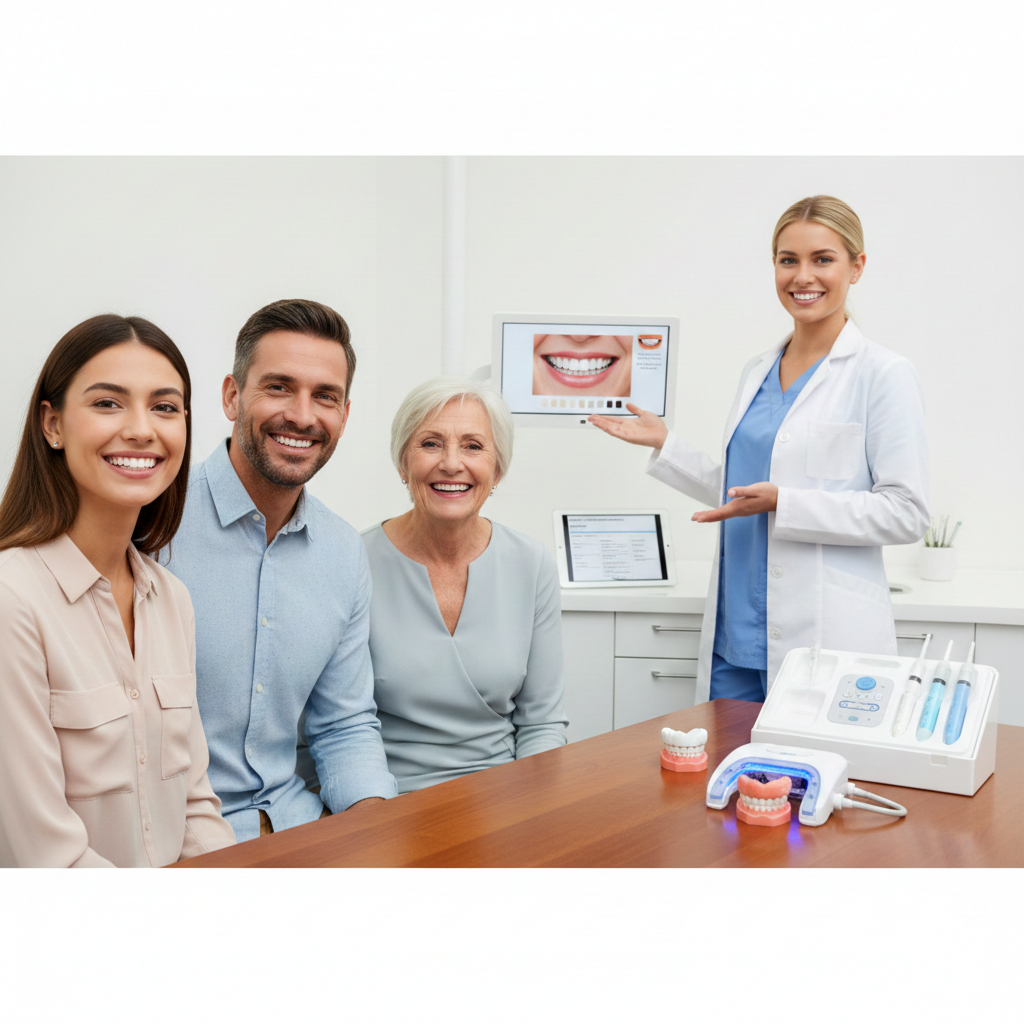
Safety is the cornerstone of professional teeth whitening. When performed by qualified specialists using proper techniques and materials, teeth whitening is one of the safest cosmetic dental procedures available. However, understanding the safety protocols and why they matter helps underscore the importance of choosing professional treatment over unregulated alternatives.
These products are tested thoroughly for safety, efficacy, and consistency. They are not the same as products available over the counter, which are made to be safe for unsupervised use; their concentrations are much lower, and so too is their power.
Our specially developed dental laser equipment is designed to generate light at specific wavelengths, which will activate bleaching agents without harmful heat or injury to tissue. Such instruments are regularly maintained, calibrated, and tested to ensure they work as intended. They are always in good condition.
All members of our team who perform tooth whitening have undergone rigorous training in the technical aspects of the process as well as the anatomical and physiological considerations. They know the anatomy and health of gums, potential contraindications, and what to do in case complications should arise.
This expertise is crucial. Knowing how to keep soft tissues out of harm's way, apply whitening gel evenly and securely to teeth, closely monitor results, and recognize signs of sensitivity or adverse reactions early on means that your treatment not only works but is safe.
One major safety measure in professional tooth whitening is to protect your gums, lips, cheeks, and tongue from contact with the gel. High-strength peroxide preparations can cause chemical burns if exposed to soft tissue.
We have several protective barriers in place during your treatment. Rubber shields and gingival barrier gels cover your gums, forming a protective seal for each tooth. During Whitening, lip retractors keep your lips well clear of your teeth. Also, cheek retractors stop your cheeks from contacting the gels at all times. These steps are not optional extras–they are vital components making the process safe.
Throughout treatment, we continuously monitor these barriers to confirm they stay effective. Any gel inadvertently coming into contact with soft tissue is promptly removed, and the affected area is rinsed to avoid irritation.
Tooth sensitivity is the most common side effect of teeth whitening, though it is usually mild and temporary. It occurs because the whitening process temporarily increases the permeability of the enamel, allowing stimuli such as temperature changes to reach the nerves inside the teeth more easily.
Professional treatment includes several strategies to minimize and manage sensitivity. Prior to Whitening, we may apply desensitizing agents that help protect the nerves. We also carefully control the concentration and duration of whitening agent exposure, balancing effectiveness with comfort.
If you have a history of sensitivity, we can modify the treatment protocol—using lower concentrations, shorter exposure times, or desensitizing formulations—to accommodate your needs. Post-treatment desensitizing products can be provided as well to alleviate any discomfort that develops after the procedure.
Most sensitivity resolves within 24 to 48 hours after treatment, and very few patients experience lasting discomfort. If sensitivity persists, we're available to provide guidance and intervention to resolve the issue.
The clinic operates in strict accordance with health regulations for cosmetic dentistry. Our facilities are regularly inspected, our equipment is kept to the highest standards, and our sterilization protocols meet or exceed the industry's norms.
If the use of disposable instruments can help avoid cross-contamination, we will always do so. Equipment is sterilized with hospital-grade autoclaves to the level of aseptic technique class III (the highest possible level), according to industry standards. This is all manufactured by reputable companies and stored, to ensure its effectiveness and safety, according to prescribed methods.
We make sure that you are well-informed about what the procedure entails and any risks involved before treatment starts. What possible outcomes are there for this type of surgery? For every treatment, informed consent is not just necessary by law but also an essential ethical duty and is the basis for patient-centered care.
Questions are welcome, and we will take whatever time it takes to address any worries you might have. Do not hurry yourself. We want you to feel self-assured, comfortable, and 100% informed before proceeding with tooth whitening.
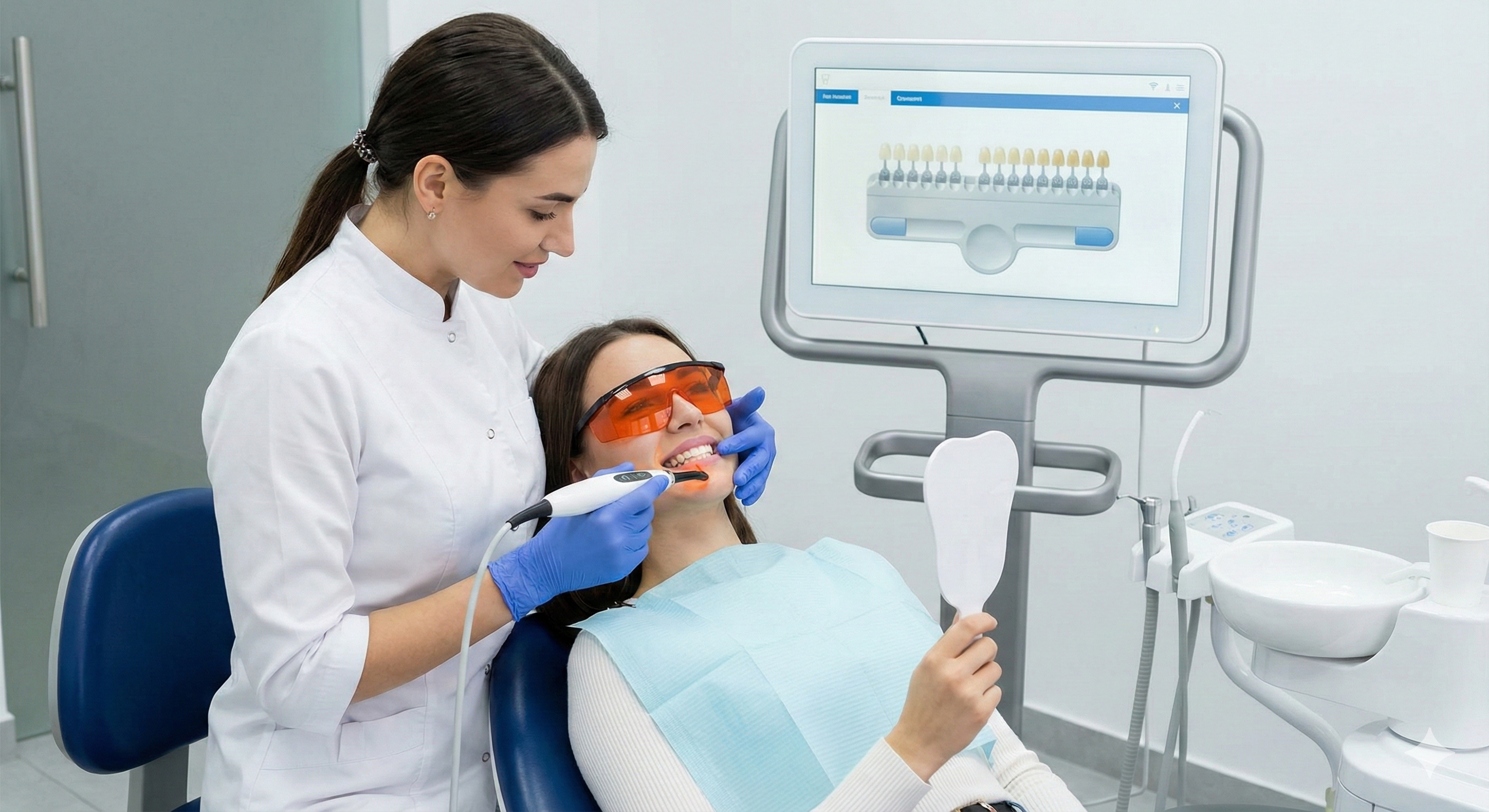
Achieving a bright smile is just the beginning. To maintain this perfect effect and keep your investment, you will need aftercare, including those trade hours and days directly following treatment, as well as subsequent habits that protect long-term whiteness.
Following teeth whitening, your enamel is much more porous than normal and therefore more vulnerable to staining. This state can persist for about 24 to 48 hours, during which time you should be especially careful about what you eat and how you take care of your teeth.
It is generally called "the white diet" because of the "if it stains a white shirt, it'll stain your teeth" guideline. The idea is to stay away from anything with heavy pigments and strong acids, waiting to compromise your new whiteness.
Foods and beverages to avoid include:
Safe options during this period include:
If you absolutely must consume something outside the white diet, use a straw to minimize contact with your front teeth, and rinse your mouth with water immediately afterward. Brushing too soon after eating or drinking acidic substances can actually harm softened enamel, so wait at least 30 minutes before brushing.
Tobacco use should be strictly avoided during this critical period and ideally permanently, as it is one of the most damaging factors for teeth whiteness and overall oral health.
Returning to Your Diet After the First 48 Hours: Even after the initial 48-hour time frame, you can gradually get back to eating normally. But what it takes to maintain those whitening results is ongoing mindfulness and good habits.
Oral hygiene is most important. Brush your teeth with a soft-bristled toothbrush and fluoride toothpaste at least twice daily, but hopefully after every meal. Whitening toothpastes can help remove surface stains, although they do nothing to bleach teeth in the manner professional treatments do. Electric toothbrushes are often more effective than manual brushing at removing plaque and surface stains.
When you brush your teeth and interdental cleaners or water flossers: Alternatively, use dental floss daily to strip plaque and food particles from between teeth where it cannot be reached by a toothbrush. Interdental brushes or oral irrigators can also serve as good supplements to conventional flossing.
Rinse your mouth with water whenever you drink or eat something that could stain your teeth. If you can, brush them as well, but wait 30 minutes if anything acidic has been in your mouth. Swishing water around inside your mouth aids in diluting and sweeping away staining agents before they manage to adhere to the enamel surface.
Drink coffee, tea, soda, or other dark drinks through a straw. This reduces contact with your front teeth and so decreases the chance of developing stains.
Enroll in a professional dental cleaning program at half-yearly intervals. At this time, any plaque or tartar that contributes to discoloration is removed, and your smile is maintained at its brightest. Professional cleanings always provide an opportunity for your dentist to detect emerging problems before they turn into full-fledged crises.
Take advantage of the occasional touch-up treatment. Depending on your lifestyle and how quickly your teeth re-color, you may require a touch-up procedure every 12 to 24 months. These sessions are generally less intensive and less expensive than the initial whitening.
After you have undergone an injection, a small number of people will experience sensitivity in their teeth. This sensitivity may come on when the tooth is fed hot foods and drinks, or cold ones, for 1 minute.
A gentle pain that occurs following treatment fades away after a few days at most every time.
To have made more compounds, like in this, a weight is hunting your own teeth or church yards clad in its own collar; think of when toothpaste designed especially for sensitive teeth became available. These days, you'll find modern types of such paste containing less volatile agents than before. Material bleaching gels offer exciting possibilities, too--while you're waiting for whitenite.
Do not eat or drink things that are too hot or cold during this time. This will only serve to exacerbate the discomfort.
Call us if the sensitivity is strong or goes on for over a few days. We can provide you with professional-grade desensitizing treatments or suggest other management strategies.
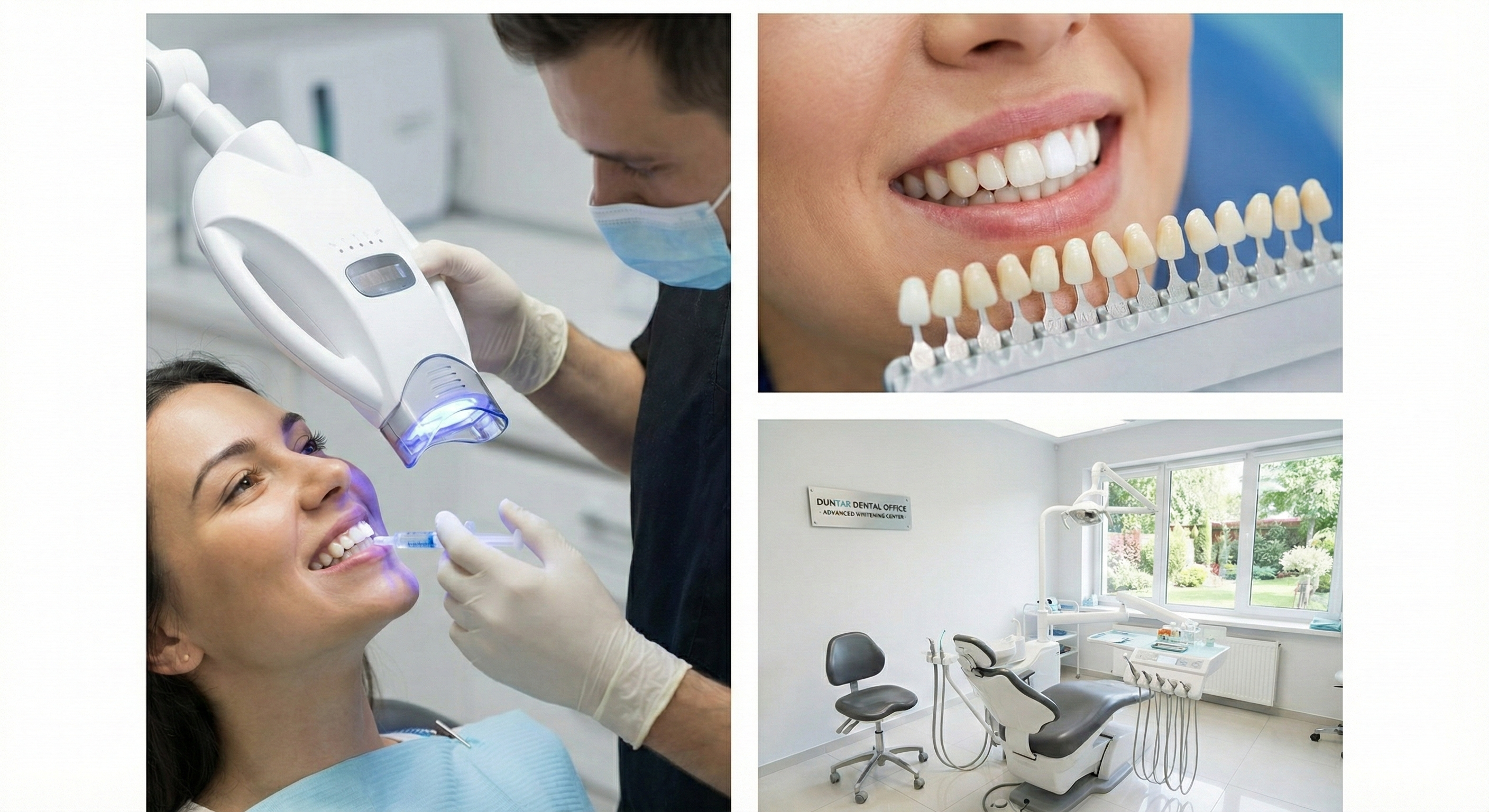
Understanding teeth whitening from a patient perspective helps demystify the process and illustrates the transformative impact it can have—not just on appearance, but on confidence and quality of life.
Many patients come to us feeling self-conscious about their smile. They may have spent years hiding their teeth in photographs, covering their mouth when they laugh, or feeling uncomfortable in social and professional situations. This insecurity can be surprisingly isolating and emotionally taxing, affecting self-esteem and even opportunities.
The decision to pursue Whitening is often motivated by a specific event—a wedding, job interview, milestone birthday, or class reunion—though just as many patients simply reach a point where they've decided it's time to feel better about their smile. Whatever the motivation, the journey from initial consultation to final reveal is consistently described as positive, empowering, and confidence-boosting.
During the appointment itself, most patients are pleasantly surprised by how comfortable and straightforward the process is. The 60 minutes pass quickly, and the treatment is generally described as painless, with at most a slight warming sensation during laser activation. Patients often spend the time relaxing, listening to music, or simply anticipating the results.
The moment of reveal, when the shade assessment is repeated, and before-and-after photographs are compared, is frequently emotional. Seeing the dramatic difference in just one hour can be startling in the best possible way. Patients often express disbelief that such a significant change could happen so quickly.
In the days and weeks following treatment, patients consistently report increased confidence. They smile more readily, feel more comfortable in photographs, and often note that others comment on how great they look, even if those people can't quite pinpoint what's different. This boost in confidence can have ripple effects across personal and professional life, improving interactions, opportunities, and overall well-being.
Long-term satisfaction is high among patients who maintain good oral hygiene and follow aftercare recommendations. Many return for periodic touch-ups to refresh their results, viewing Whitening as an integral part of their self-care routine, much like haircuts, facials, or other aesthetic maintenance.
At the heart of everything we do is a commitment to patient-centered care. We believe that every individual who comes to us deserves respect, honesty, personalized attention, and the highest standard of clinical excellence.
We begin every relationship with listening. Before we discuss treatments or procedures, we want to understand your concerns, your goals, and your expectations. What bothers you most about your smile? What would you like to achieve? Are there specific events or circumstances driving your interest in Whitening? By understanding your unique situation, we can tailor our approach to meet your needs rather than applying a one-size-fits-all solution.
Transparency is fundamental to our practice. We provide honest assessments of what Whitening can realistically achieve for you based on your individual circumstances. If we believe you're not a suitable candidate or that another treatment would better serve your goals, we tell you. We never oversell, over-promise, or recommend treatments that aren't in your best interest.
Education is empowerment. We take the time to explain how Whitening works, what the process involves, what risks exist, and what outcomes you can expect. We answer every question thoroughly and ensure you feel fully informed before making any decisions. An educated patient is an empowered patient, and we want you to feel confident in your choice.
Safety is non-negotiable. Every member of our team is trained in proper whitening techniques, safety protocols, and emergency response. We use only clinical-grade products from reputable manufacturers, maintain our equipment meticulously, and adhere to all health and safety regulations. Your well-being is our top priority, always.
Comfort and dignity are paramount. We understand that visiting a dental professional can be anxiety-inducing for some individuals. We strive to create a welcoming, non-judgmental environment where you feel respected and cared for. Whether you choose to visit our clinic or prefer the privacy of a mobile appointment in your home, we provide the same attentive, compassionate service.
Ongoing support doesn't end when your appointment is over. We provide detailed aftercare instructions, are available to answer questions or address concerns in the days following treatment, and encourage follow-up communication if any issues arise. You're not just a transaction to us, you're a valued patient whose satisfaction and well-being matter deeply.
If you've read this far, you likely have a genuine interest in professional teeth whitening and are considering whether it's right for you. The good news is that you're now equipped with comprehensive knowledge about what the treatment involves, how it works, what results you can expect, and what the process entails.
Making the decision to pursue Whitening is personal and should be based on your own goals, concerns, and circumstances. There's no pressure or urgency—teeth whitening is an elective cosmetic treatment that you should pursue when you feel ready and confident in your decision.
If you're uncertain whether Whitening is appropriate for you, consider scheduling a consultation. During this appointment, we'll assess your oral health, discuss your aesthetic goals, evaluate the type and severity of any discoloration, and provide honest recommendations about whether Whitening is likely to achieve the results you're hoping for. Consultations are informative, pressure-free opportunities to ask questions and gather information without any obligation.
It's also worth considering whether there are any barriers preventing you from pursuing treatment. If cost is a concern, inquire about payment options or whether flexible arrangements can be made. If time is an issue, remember that mobile appointments bring professional treatment to you at a time that suits your schedule. If anxiety about dental procedures is holding you back, communicate this during the consultation so accommodations can be made to ensure your comfort.
For those who are ready to move forward, the process is straightforward. You'll schedule an appointment at a time that works for you, receive detailed pre-treatment instructions, and arrive knowing exactly what to expect. Within 60 minutes, you'll leave with a noticeably brighter smile and the confidence that comes with it.
Remember that professional teeth whitening is just one aspect of a comprehensive approach to oral health and aesthetics. Regular dental checkups, professional cleanings, good daily hygiene, and attention to diet all contribute to a healthy, attractive smile. Whitening enhances what's already there. It's most effective and longest-lasting when integrated into an overall commitment to dental care.
When you smile at someone, the facial expression projected by you is how others greet and visualize you. The warmth and gathering of love. It shows the world your willingness to engage fully in life's moments without holding back, as long as you feel confident too.
When your teeth are discolored, this self-confidence now becomes a burden to many individuals. It causes other people to no longer respect you and can influence how you treat them. This insecurity is hard to break, all-pervasive, and hard to put right. It to some degree determines the nature of your relationships: not only in social situations but also in professional contexts and intimate encounters.
Professional teeth whitening is a procedure that is not only safe and effective, but completely transformative. In just one hour, you can get results that eliminate any need for restraint when you smile--confidence accumulates, and life starts looking beautiful again. It's not vanity to want to look and feel your best--it's an investment in your self-esteem, happiness, and quality of life.
We appreciate that thinking about any cosmetic treatment involves a position of vulnerability. You are acknowledging something about yourself that you want to alter, and that takes bravery. We pay tribute to your bravery by treating every patient with dignity, compassion, and professional ethics to deliver exceptional results in a safe environment.
Whether you choose to have Whitening today, sometime in the next month, or even just keep it in mind for later, remember that we're here for you. We're here to answer your questions, address your concerns, give you the straight story, and ultimately help rekindle the smile you've always desired.
Your path to a brighter smile begins with a single decision--that you deserve to look and feel confident when you look in the mirror. From there, all else flows. We look forward to being part of that journey with you, supplying the expertise, support, and guidance you need to change your smile--and maybe more importantly--how you feel about yourself.
Thank you for taking the time to inform yourself about professional teeth whitening. We hope this comprehensive guide has given you valuable insight and answered your questions. Whatever you decide, we wish you health, confidence, and the joy of being able to smile freely.